Memories Series
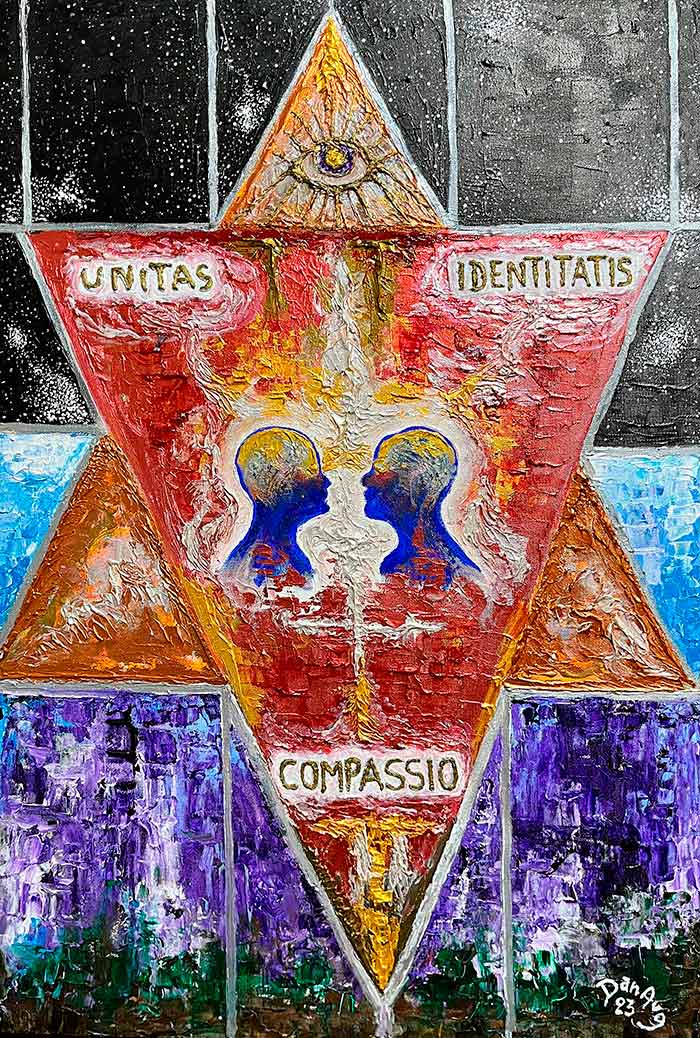
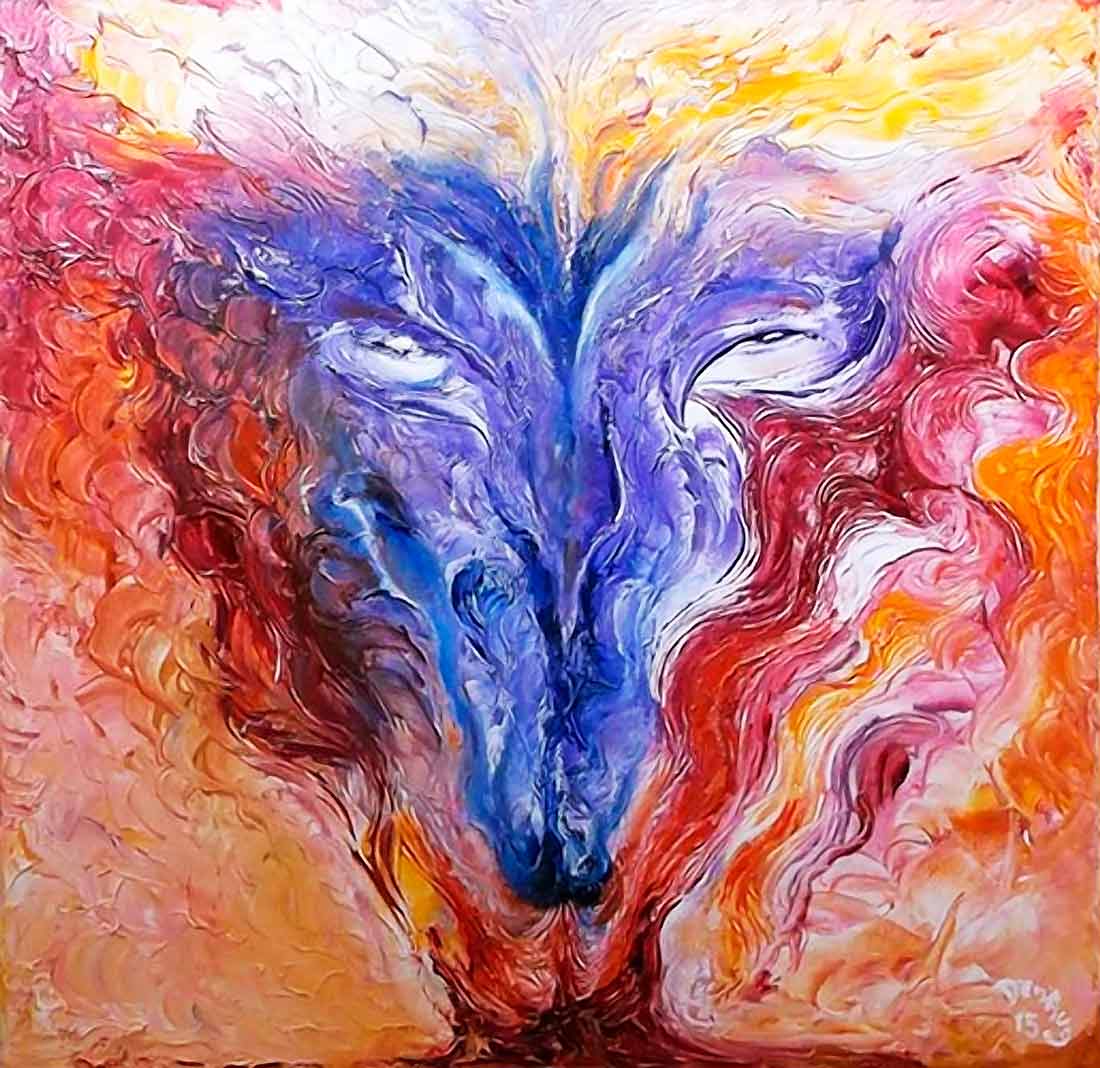
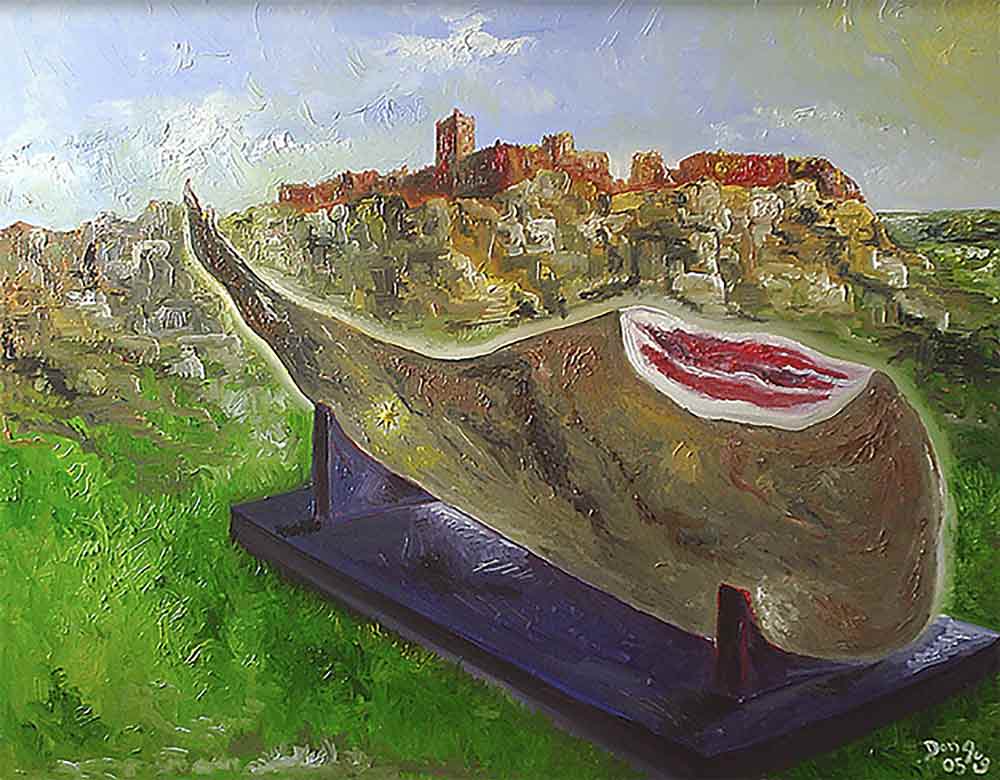
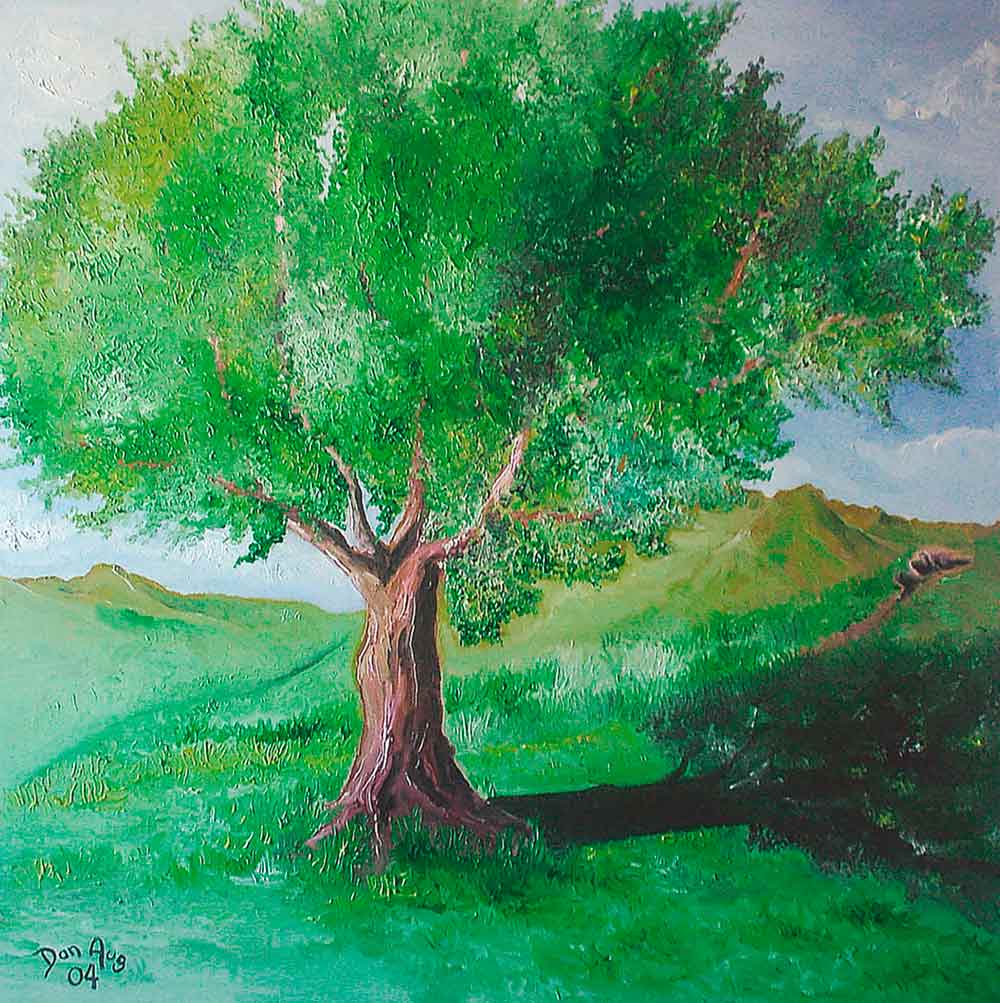
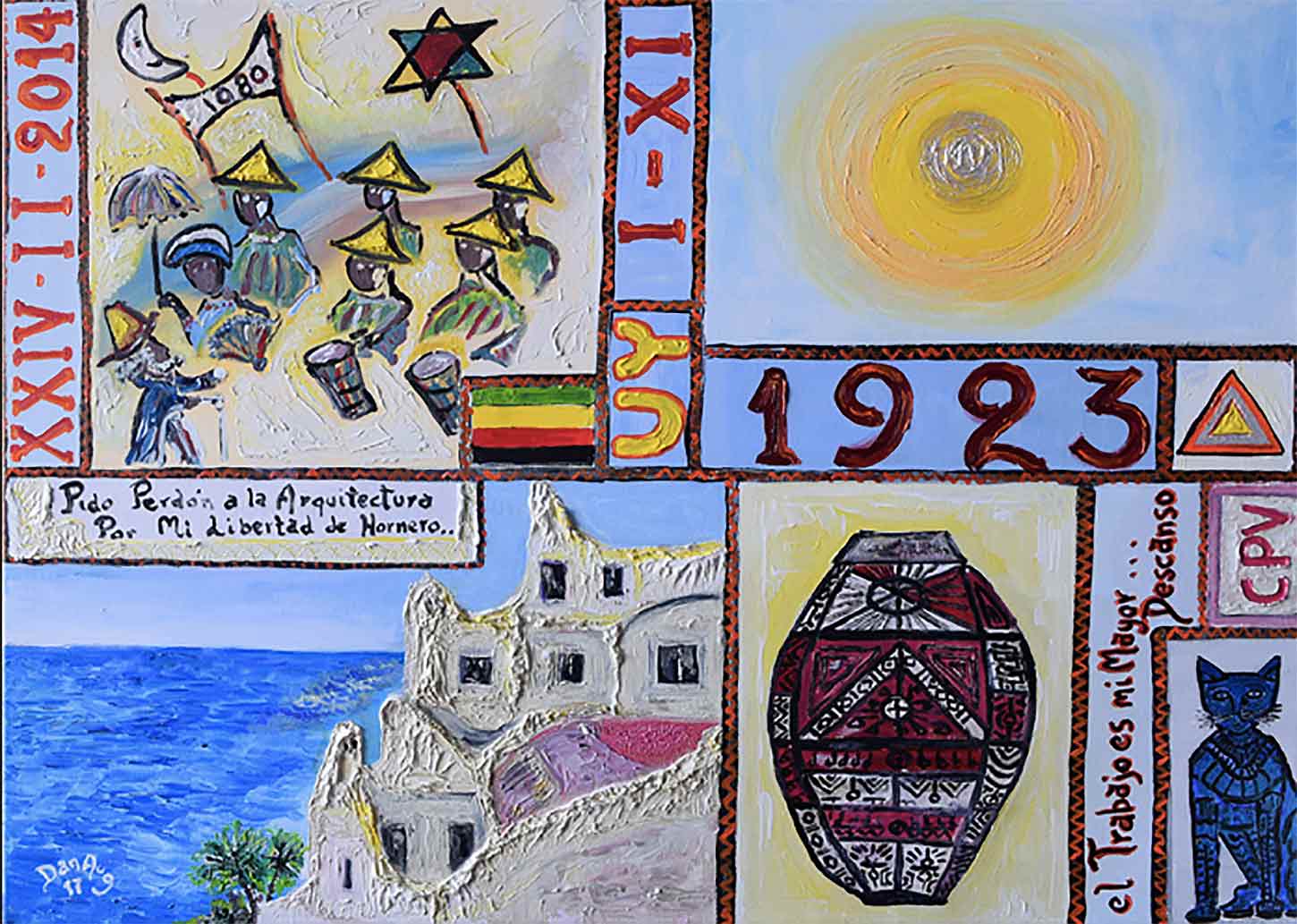
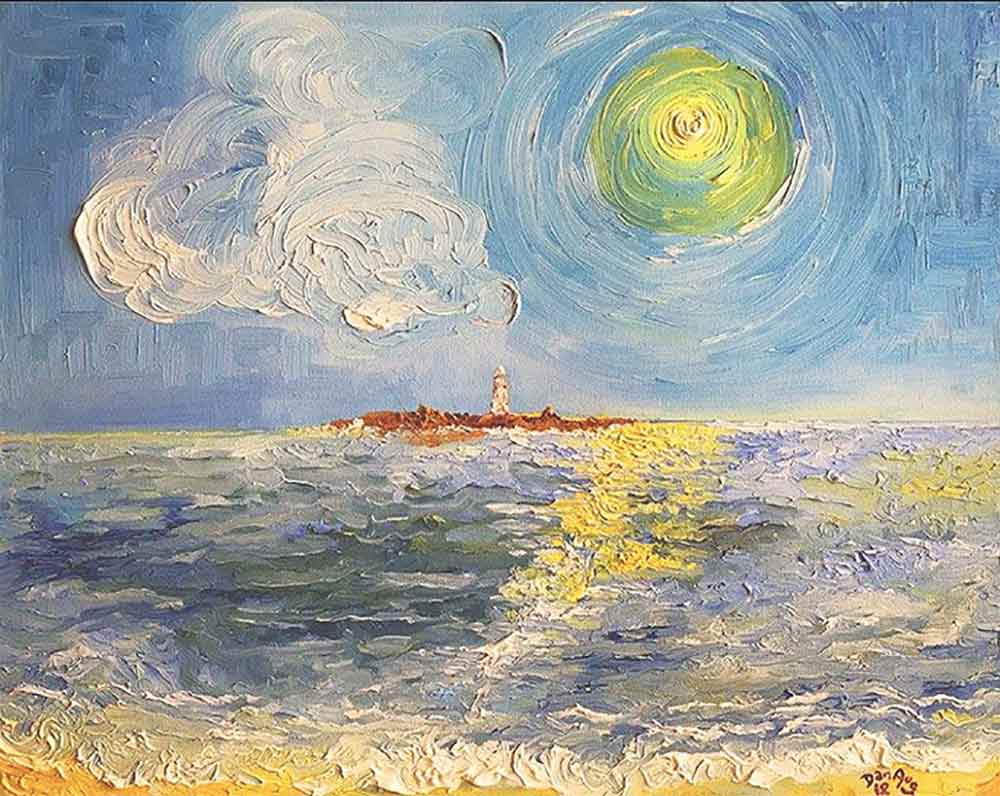
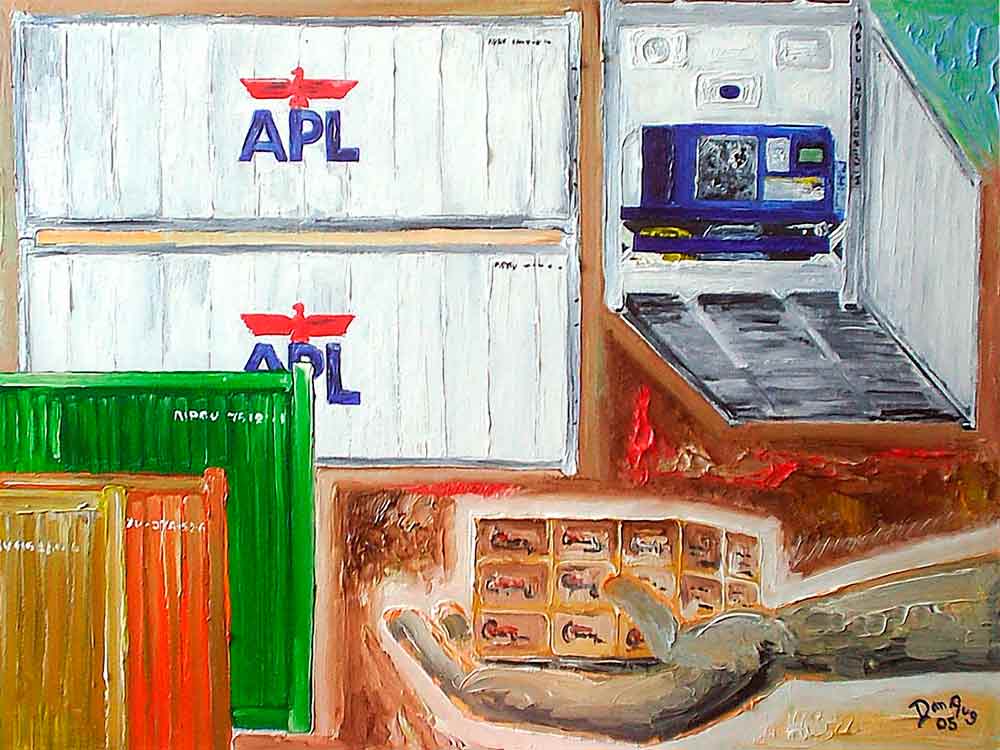
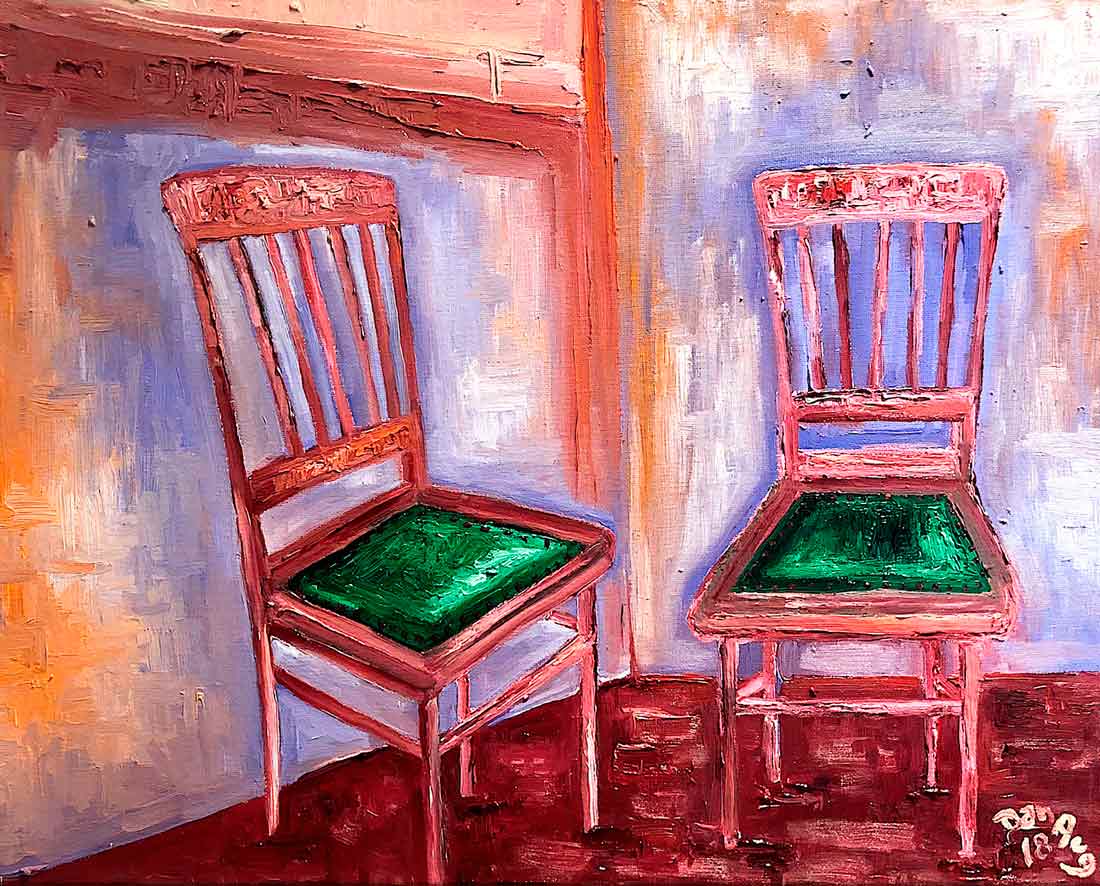
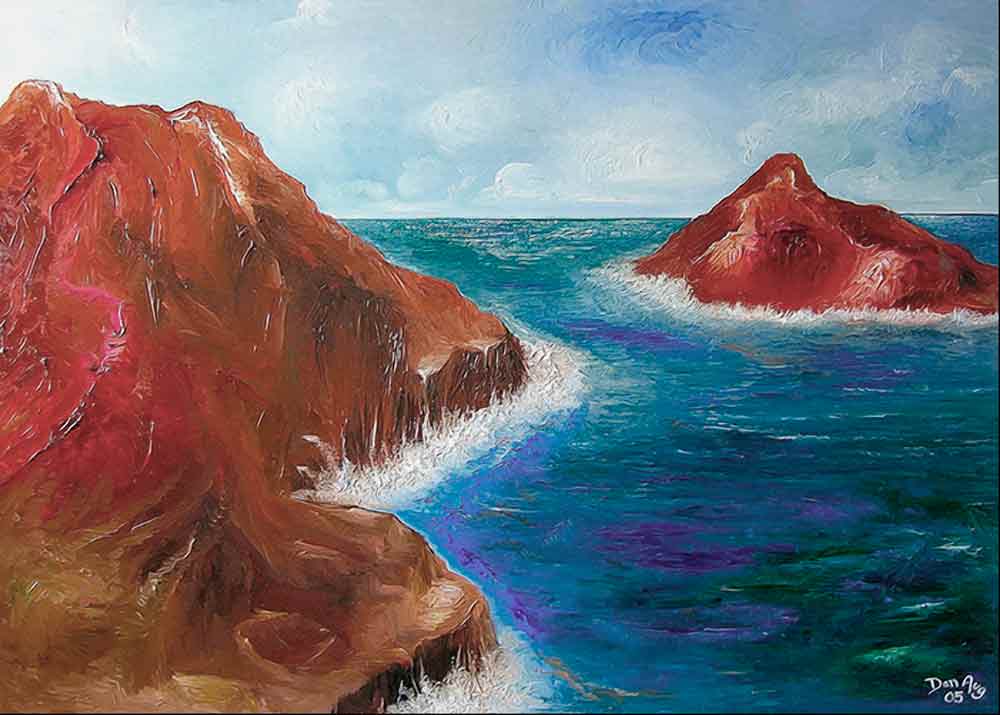
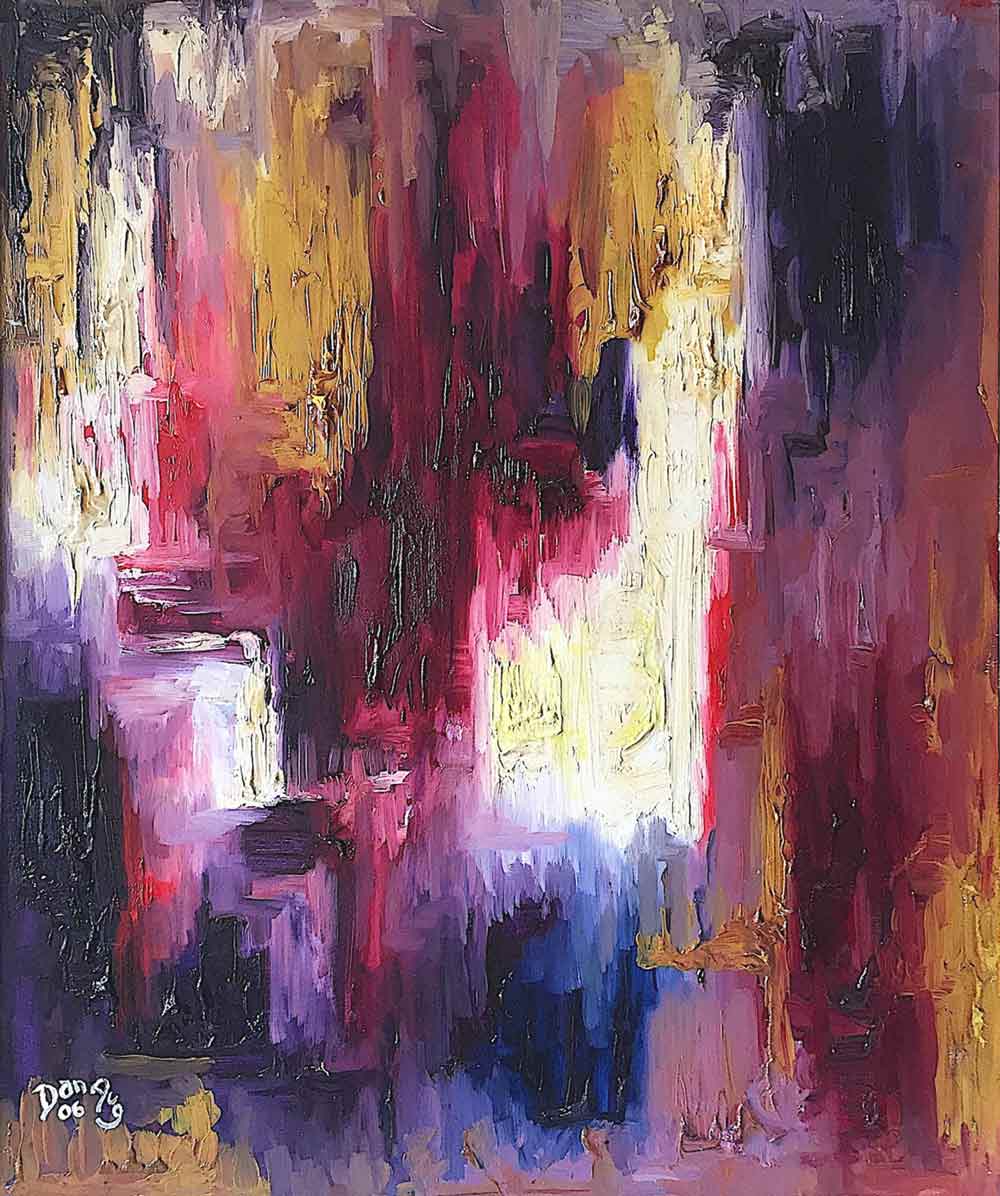
Memories Series is one of the most personal and emotionally significant bodies of work created by Dan Aug. Developed across more than twenty-five years, the collection functions as a visual archive of experiences, places, encounters, discoveries, dreams and defining moments that accompanied the artist throughout a substantial portion of his life.
Rather than documenting events in a literal manner, the series transforms memory into symbolic visual language. Landscapes become emotional territories, cities become states of mind, objects evolve into personal archetypes and ordinary experiences acquire universal dimensions through artistic interpretation. Each work preserves a fragment of lived reality while simultaneously transcending autobiography to explore broader questions of identity, perception and human experience.
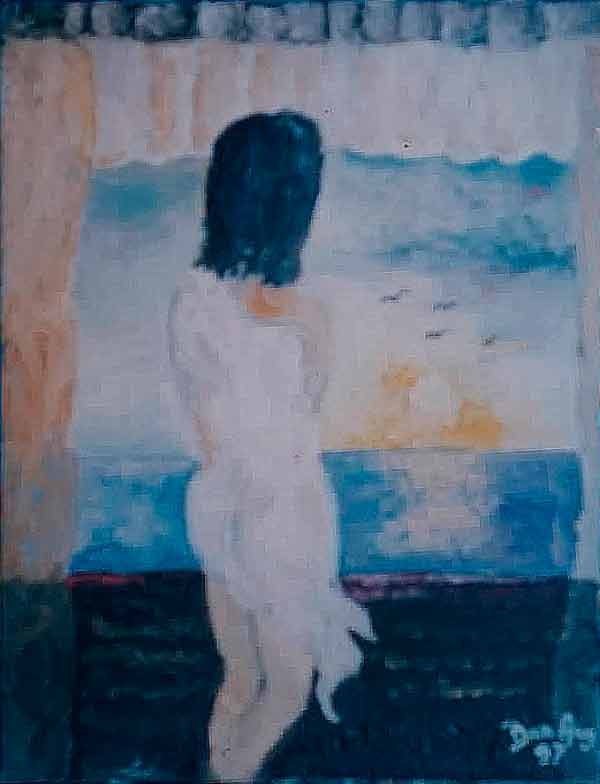
The collection spans multiple phases of the artist's development and includes some of the earliest surviving paintings ever produced by Dan Aug. Among them are Andrea, painted in 1997, and Rosmarie, works that precede many of the symbolic systems, philosophical concepts and visual structures that would later characterize his mature artistic language.
Over the years, memories of cities, coastlines, friendships, relationships, travels, intellectual discoveries and inner transformations gradually accumulated into a visual narrative that mirrors the evolution of both an artist and a human being. The paintings do not attempt to reconstruct the past with documentary precision; instead, they reveal how memory reshapes reality, selecting, transforming and illuminating moments that continue to resonate long after their original circumstances have disappeared.
Viewed as a whole, Memories Series represents an extended meditation on remembrance itself. It explores how personal history survives through symbols, emotions and imagination, preserving fragments of experience while constantly reinterpreting them through the lens of time. More than a retrospective collection, the series stands as a living cartography of memory and the enduring dialogue between past and present.
Featured Work: Extrapolated Memories
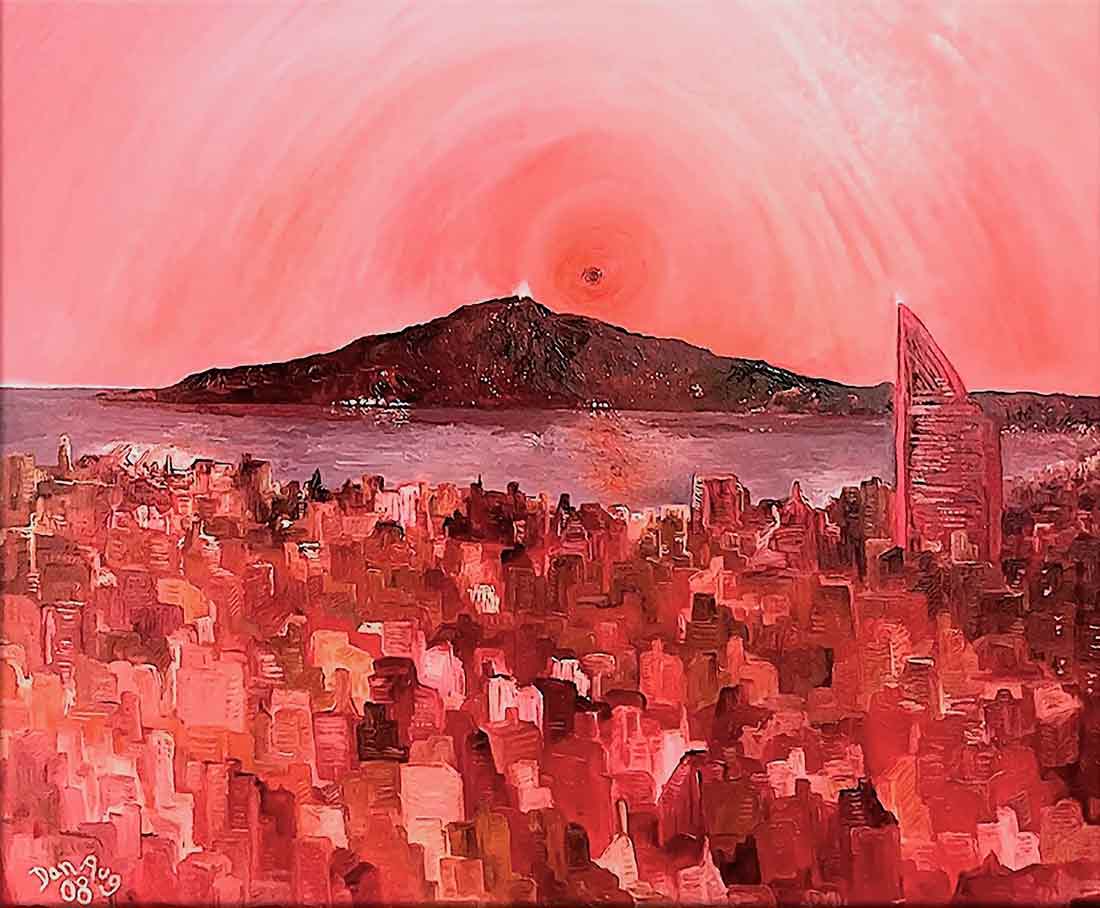
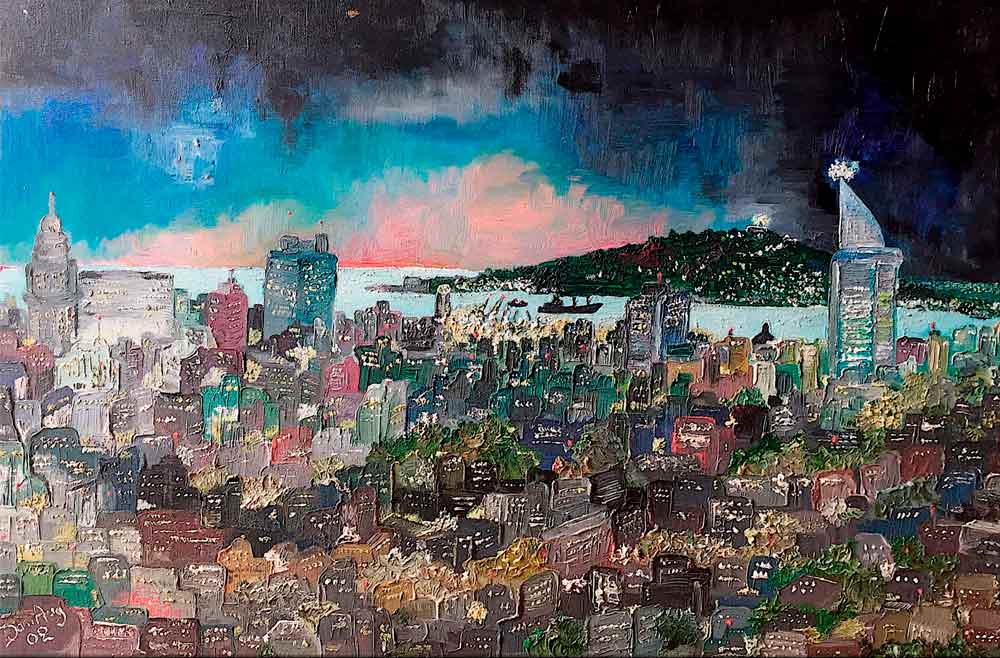
Extrapolated Memories occupies a unique position within the Memories Series. Unlike many works that emerge directly from recollection, this painting extends memory beyond its conventional boundaries and transforms remembrance into speculative imagination. The familiar landscape of Montevideo Bay remains recognizable, yet the world surrounding it has become fundamentally different.
The city is illuminated by a solitary crimson sun whose presence immediately alters the emotional and symbolic atmosphere of the scene. The red celestial body evokes the possibility of another world, another history and perhaps another existence altogether. Through this transformation, the painting raises a profound question: if memory survives beyond place and time, could it also survive beyond the boundaries of a single life?
The work imagines Montevideo not under the Sun of Earth, but beneath the light of a distant star belonging to an unknown planet. Reality and imagination converge into a single vision where personal recollection becomes cosmological speculation. The familiar geography of the bay persists, yet everything is subtly displaced, suggesting that memory may be capable of reconstructing itself within entirely different realities.
The red atmosphere generates a dreamlike tension between nostalgia and discovery. The city appears simultaneously remembered and reinvented, suspended between historical reality and symbolic possibility. The painting proposes that certain places become so deeply embedded within consciousness that they continue to exist regardless of physical location, historical period or even planetary context.
As the conceptual gateway to the Memories Series, Extrapolated Memories introduces one of the collection's most enduring themes: the idea that memory is not merely a record of the past but an active creative force capable of generating new worlds from fragments of lived experience. In this sense, the painting becomes both a remembrance and a vision, a bridge between what was, what might have been and what may still exist beyond the limits of ordinary perception.
Memories Series
Dan Aug
Memories Series
Dan Aug
Memories Series
Dan Aug
Memories Series
Dan Aug
Memories Series
Dan Aug
Memories Series
Dan Aug
Memories Series
Dan Aug
Memories Series
Dan Aug
Memories Series
Dan Aug
Memories Series
Dan Aug
Memories Series
Dan Aug
Memories Series
Dan Aug
Memories Series
Dan Aug
Memories Series
Dan Aug
Early Work
Dan Aug
Memories Series
Dan Aug
Memories Series
Dan Aug
Memories Series
Dan Aug

Early Work
Dan Aug